
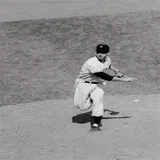
A baseball fireman is a top reliever in a team who always ends an offensive rally and 'put out the fire'. In baseball, the relief pitcher or fireman is an entry pitcher that enters the game after the entry pitcher gets removable due to injury, tiredness, inefficiency, or ejection. They are divided into different roles, including proximities, middle relief pitchers, set-up men, specialists, and long relievers. The starting lifts rest for several days due to the number of pitches thrown at the beginning. Relief lifts are required to be more flexible and to pitch more games with less entry.
The term fireman was credited to Bruce Stark, cartoonist for the New York Daily News. In the 1970s, the New York Mets and Yankees were seen first as firefighters rushing to save their teams from danger. It is used to close or soothe games when the losing team tried to break open the game.
History of Fireman
A closing pitcher or fireman is a relief pitcher that specializes in getting finished outs at a close game when its team leads. Often the position is given to the best reliever of a team. Ahead of the 1990s, pitchers were named fireman, short reliever, and stopper in similar standing. It is usually the best reliever for a team, and it is built to pitch the last few races when the team leads three or fewer races. In 1969, the official Major League Baseball (MLB) statistics historically assessed the closer effectivity. Over time, specialists from close-ups have brought in some cases at the beginning of the ninth start. For the significance of the ninth inning, the intensity of the last three outs of the game is listed.Eight pitchers were awarded into the Baseball Hall of Fame, which were mostly fireman. Hoyt Wilhelm was the first to be elected in 1985, preceded by Rollie Fingers, and the rest was history. A relief lift is more a profession than a decreased role recently. Many of the best prospects today are primarily considered for their relief pitching abilities. In pursuit of advantage, managers have brought more pitchers and used them in specialist situations as time progresses. The knowledge of the edge of the peloton has led managers to ensure that opposing left-wing hitters face as many left pitches as possible, and do the same for right-hand pitchers and pitchers.